
Observation is the beginning—not the conclusion
UFO research spans witness reports, instrumented observations, historical documents and proposed physical mechanisms. A useful study asks what was measured, which conventional explanations were tested, and whether another investigator can reproduce the analysis. An unidentified light is not automatically a craft; a craft is not automatically extraterrestrial.
This hub connects the archive’s equipment, evidence and analysis collections. Research projects differ in purpose and quality: inclusion is not an endorsement of every claim they publish.
Equipment, protocols & evidence
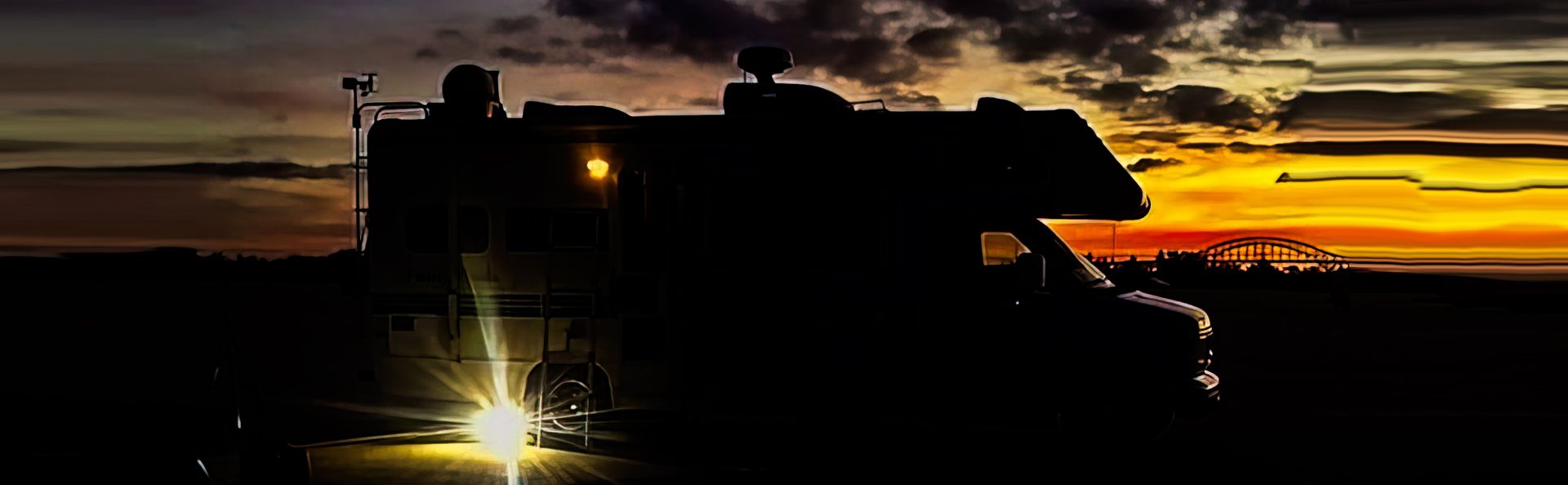
- UFO Spotting Tech — the Tedesco brothers’ Nightcrawler, optical and infrared instruments, radio-frequency monitoring and field equipment.
- UFO Protocols — recording observations, preserving originals and documenting conditions safely.
- Physical Evidence & Trace Cases — landing traces, materials, chain of custody and laboratory limitations.
- Sightings & Radar Data — compare visual reports with instrument records and atmospheric conditions.
- UFOs Diesel Engines & EMP — reported vehicle interference, ignition differences and the limits of an electromagnetic explanation.
- Verg Media Matrix — evaluate the provenance and limitations of photographs and recordings.
Studies worth reading critically
Project Hessdalen
Hessdalen in Norway is a long-running focus of observations of unusual lights and instrumented field research. Recurrent observations offer opportunities to compare cameras, spectra, weather and other sensor records. Different observations may have different causes; the project does not establish that all lights share one explanation or are extraterrestrial. See Project Hessdalen’s research and observations.
The Sturrock / Pocantico workshop
A 1997 workshop, published in 1998, examined reported physical evidence including radar, photographs, vehicle interference and ground traces. Its panel found no convincing evidence of unknown physical processes or extraterrestrial intelligence in the material presented, while supporting careful study of new data. Read the workshop proceedings rather than treating a scientific panel’s interest as confirmation.
NASA’s 2023 independent study
NASA’s study addressed how better data and analysis could improve UAP research; it was not a verdict on individual historical cases. Its emphasis on calibration, metadata and transparent methods is relevant to citizen observation too. Read the NASA independent study report.
Public case investigations
France’s CNES / GEIPAN provides public investigation material and case classifications. “Unexplained” describes the limits of a particular record—not a demonstrated non-human origin. Compare these records with the archive’s government UFO documents.
Networks & shared observations
A network becomes scientifically useful when its stations share reliable time, known locations, calibrated instruments and original data. Independent cameras can help constrain distance; synchronized optical, radio and magnetic readings can test whether reported effects coincide. Aircraft, satellites, weather, lens artifacts and local electrical interference must be checked before claiming an anomaly.
Reports alone do not establish network-wide detection. Ask whether the raw recordings, clock accuracy, sensor response and analysis are available for inspection. Never aim lasers at aircraft, pursue objects or trespass to obtain a reading.
Analysis without invented findings
UFO AI Analytics and the AI UFO Pattern Lab currently use small, labeled samples—not a comprehensive case database. Their exploratory charts are not population statistics. The Verg Credibility Matrix separates confidence in a case’s claims from the fit of a proposed explanation.
For historical context, continue through the Modern Era timeline and Contemporary Era timeline.