Jacques Vallée: Architect of High-Strangeness and Systems Thinking in Ufology
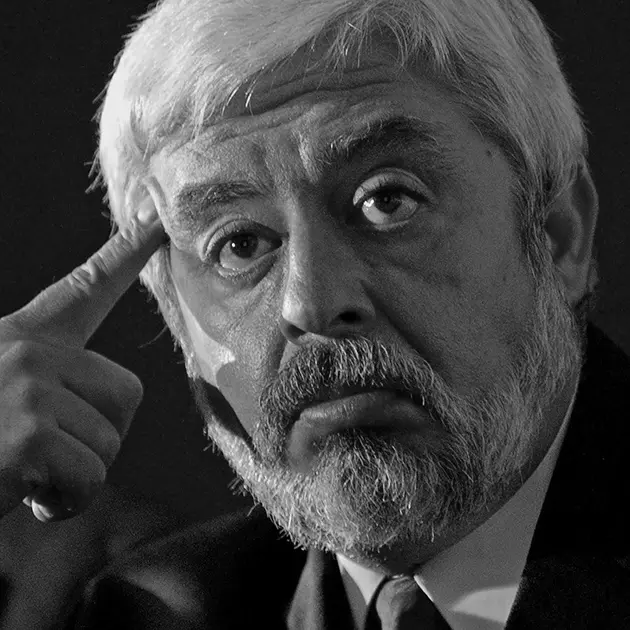
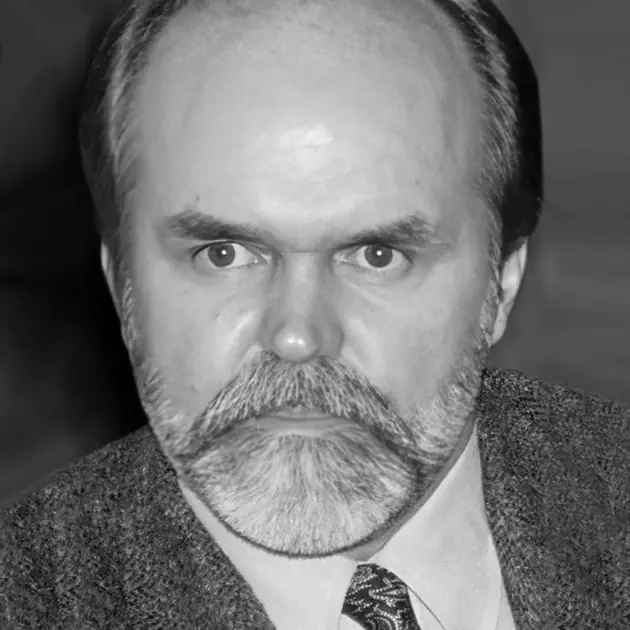
Jacques Fabrice Vallée is a polymath whose career spans astronomy, computer science, venture capital, and ufology — and one of the most influential theorists of UFOs.
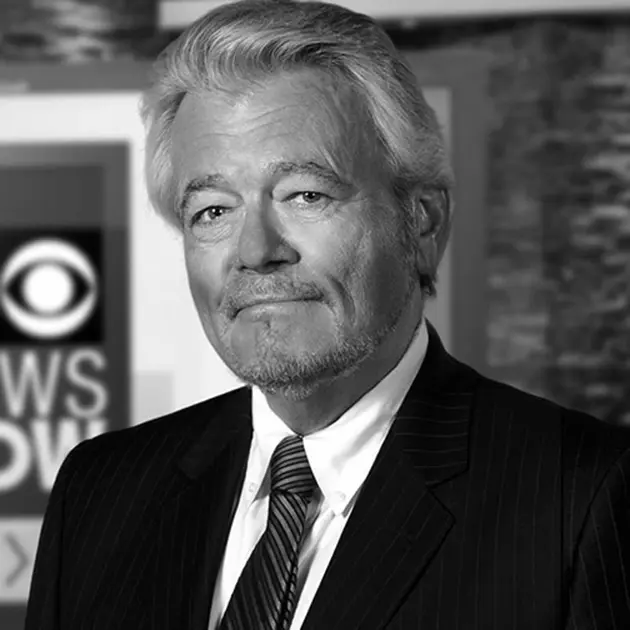
Jacques Fabrice Vallée is a polymath whose career spans astronomy, computer science, venture capital, and ufology — and one of the most influential theorists of UFOs.
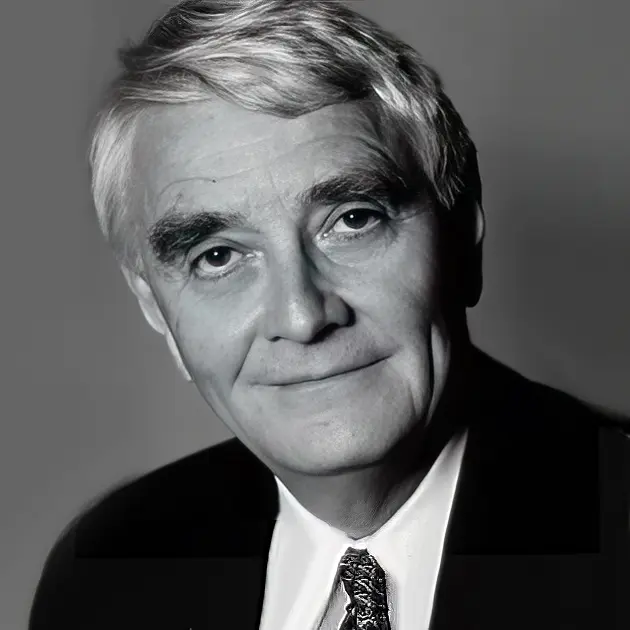
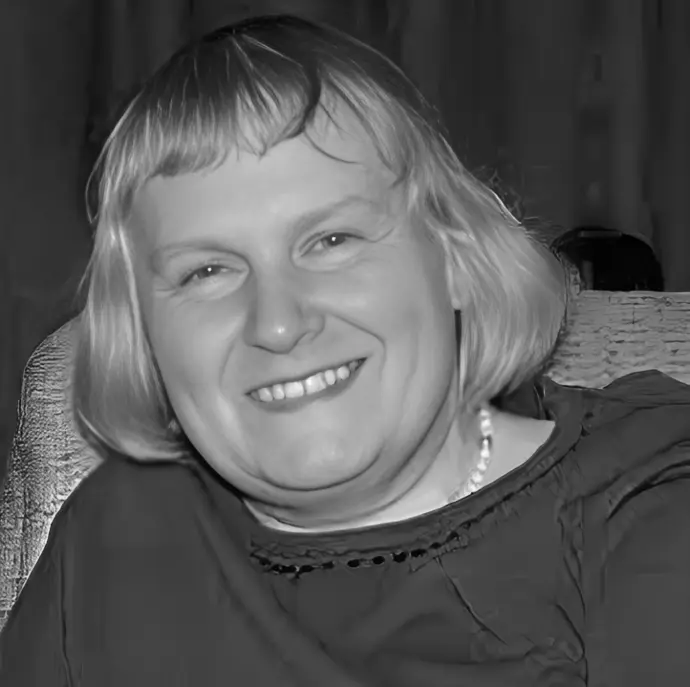
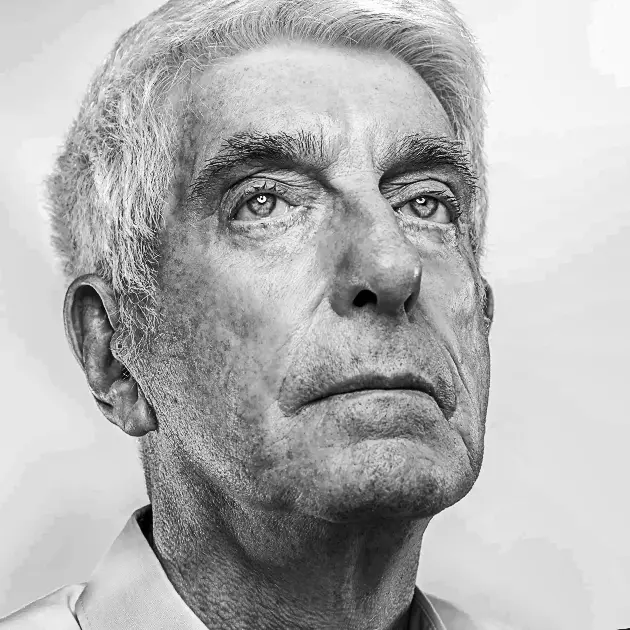
Kathleen Marden is an author, experiencer advocate, and certified hypnosis practitioner whose work sits at the intersection of archival research, social science, and contact studies.

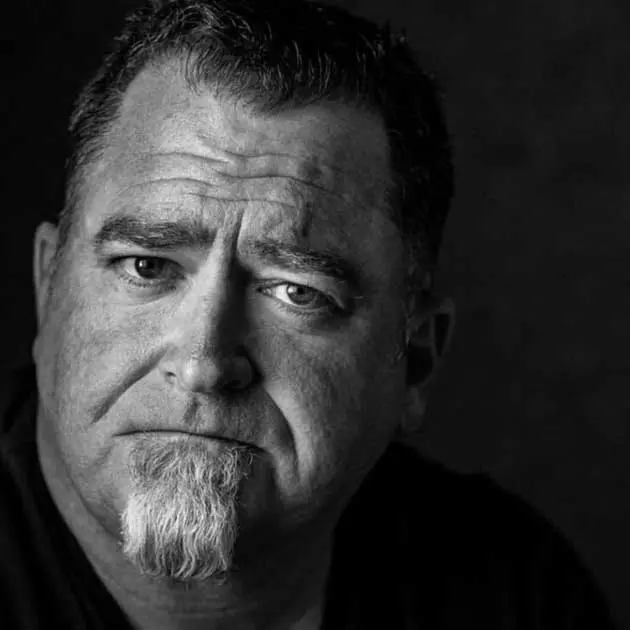
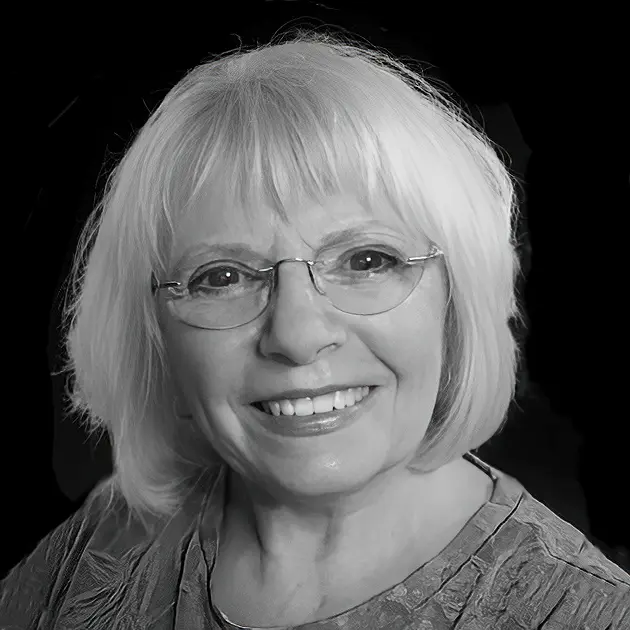
George T. Knapp is an investigative journalist whose four‑decade career helped bring UFOs/UAP into serious, mainstream discussion without losing journalistic rigor.

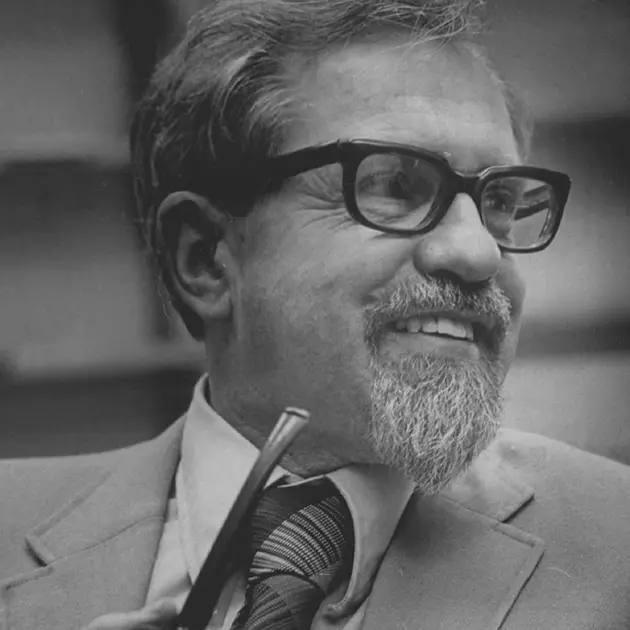
Budd Hopkins was an American abstract expressionist artist who became one of the most influential figures in modern ufology, popularizing the UFO abduction narrative through casework and bestselling books.

Jenny Randles is a British ufologist and author whose rigorous, psychologically attuned approach helped define a distinctly UK voice in the study of anomalous phenomena.

José Jaime Maussan Flota is a Mexican journalist, television personality, and ufologist whose name is synonymous with UFO coverage in the Spanish-speaking world.

Luis Elizondo is a former U.S. Army Counterintelligence Special Agent and director of the Advanced Aerospace Threat Identification Program who became a central figure in modern UAP disclosure.

J. Allen Hynek began as a cautious skeptic and ended as the scholar who gave UFO research a credible vocabulary, formalizing the Close Encounter classification system and founding CUFOS.

Jeremy Corbell is a Los Angeles-based filmmaker and ufologist whose multidisciplinary practice has helped move UAP discourse into mainstream culture through collaboration with George Knapp.

Abraham 'Avi' Loeb is an Israeli-American theoretical astrophysicist at Harvard who became a central public figure in debates about interstellar visitors and the search for technosignatures.

Stanton Friedman was a nuclear physicist who left full-time physics to investigate flying saucers, becoming the first civilian investigator of the Roswell incident and a tireless advocate for evidence-based ufology.

Erich von Däniken was the Swiss popularizer who turned 'ancient astronauts' from a fringe conjecture into a cultural juggernaut with his 1968 breakout Chariots of the Gods?

Harold E. Puthoff is one of the most unusual figures bridging mainstream engineering, boundary-pushing physics, and controversial mind-science, from remote viewing at SRI to modern UAP discourse.

Leslie Kean is an American investigative journalist known for meticulous, source-driven reporting on UFOs, most notably through her 2017 New York Times story revealing the Pentagon's secret UAP program.

Richard M. Dolan is one of the most recognizable researchers in contemporary ufology, known for his source-driven archival work on the interface between anomalous phenomena and national security.

David Michael Jacobs, Ph.D., is an American historian whose legacy in ufology centers on one of the field's most contentious claims: a multi-decade, covert alien abduction and hybridization program.

Frank Drake was an American astrophysicist whose curiosity lit the fuse for modern SETI, from the first targeted radio search to co-founding the institutional backbone of the search for extraterrestrial intelligence.

Whitley Strieber is a prolific and enigmatic author who has captivated readers worldwide with riveting accounts of paranormal and extraterrestrial experiences, most notably in his breakthrough book Communion.

Jim and Coral Lorenzen founded the Aerial Phenomena Research Organization, shaping the course of UFO investigation in the 20th century with rigor, vision, and lasting impact.

Garry P. Nolan is a Professor at Stanford University who has emerged as a trailblazer in applying rigorous scientific methodology to UFO-related materials and phenomena.

Linda Moulton Howe is an American investigative journalist and Regional Emmy award-winning documentary filmmaker best known for her investigation of cattle mutilations and government secrecy around UFOs.

Few modern figures in ufology have pushed the subject of contact as aggressively—or as controversially—as Dr. Steven Greer, from founding CSETI and the Disclosure Project to pioneering CE-5 protocols.

Timothy Good (born 28 July 1942) is a British author whose books and media appearances helped mainstream late-20th-century UFO discourse in the UK and beyond. Best known for Above Top Secret, Alien Liaison/Alien…

Raymond Eveleth “Ray” Fowler (born November 11, 1933, Salem, Massachusetts) is an American author and veteran UFO researcher whose rigor in field investigation set a practical standard for the discipline. Educated at…

Nick Pope (born 19 September 1965 - April 6 2026) was a freelance British journalist and media commentator. He was an employee at the British Government's Ministry of Defense (MoD) from 1985 to 2006 and is best known…

John Edward Mack (October 4, 1929 – September 27, 2004) was an American psychiatrist, writer, and professor and the head of the department of psychiatry at Harvard Medical School. In 1977, Mack won the Pulitzer…

Ross Coulthart is an award-winning Australian investigative journalist known for hard‑hitting reporting across politics, corruption, national security, and corporate malfeasance—most prominently on 60 Minutes (Nine…

Aimé Michel turned UFO reports into a spatial research question. His disputed straight-line hypothesis, and his willingness to reassess it, offer enduring lessons for computational UFO analytics.

Atmospheric physicist James E. McDonald interviewed hundreds of witnesses, challenged Project Blue Book, and testified before Congress in 1968 that UFOs were the greatest scientific problem of our time.

Filmmaker James Fox has spent nearly three decades putting military, pilot and civilian witnesses on camera, from Out of the Blue to The Phenomenon and Moment of Contact.

Retired Marine aviator Donald Keyhoe wrote the first bestselling UFO books, led NICAP, and spent two decades pressing Congress to end Air Force secrecy.

William L. Moore co-wrote the first Roswell book, helped surface the MJ-12 documents, and in 1989 admitted he had cooperated with intelligence operatives spreading disinformation.

Television producer Jaime Shandera received the anonymous film roll that introduced the world to Majestic-12, and partnered with William Moore in contacts with intelligence insiders.